
Article
A 7-Day Walt Disney World Itinerary: See All Four Parks Without Burning Out
Complete 7-day Walt Disney World itinerary for 2026 — all four parks, rest day, Lightning Lane strategy, dining picks, and nighttime shows. Free planning help included.
On this page
- Week at a Glance: Your 7-Day Disney World Overview
- Day 1: Magic Kingdom — Rope Drop, the Castle, and Fireworks to Close
- Day 2: Hollywood Studios — Star Wars, Scares, and Fantasmic!
- Day 3: EPCOT — Ride Future World, Eat the World Showcase
- Day 4: The Rest Day — Typhoon Lagoon, Disney Springs, or Both
- Day 5: Animal Kingdom — Pandora, Wildlife, and an Early Close
- Day 6: Back to Your Favorite Park
- Day 7: The Departure Day Approach
- Lightning Lane Strategy: What’s Worth Paying For
- Honest Pacing Advice: How to Finish the Week Loving Disney
- Plan B: What to Do When Weather or Closures Derail Your Day
- Frequently Asked Questions
- Planning Your Visit: What This Means for Your Trip
A 7-day Walt Disney World itinerary covers all four parks, a midweek rest day, and a second visit to your favorite park — without grinding anyone into the pavement. The key is the morning-break-evening rhythm: arrive at rope drop, leave by 1 p.m., return refreshed by 4 p.m. Seven days done this way feels like a vacation, not a forced march.
June 2026 brings peak summer crowds, heat index temperatures that regularly hit 100°F, and Lightning Lane Multi Pass pricing that can reach $35 per person per day. Tiana’s Bayou Adventure replaced Splash Mountain in 2024, TRON Lightcycle Run continues to generate 60–90-minute standby waits within 20 minutes of opening, and Luminous the Symphony of Us anchors EPCOT evenings at the World Showcase Lagoon. Every day in this guide is built around those realities. All prices and policies are subject to change — verify current figures through Disney’s official planning tools before booking.
Week at a Glance: Your 7-Day Disney World Overview
This 7-day plan assigns one park per day for Days 1 through 3 and Day 5, gives Day 4 entirely to rest or Typhoon Lagoon, returns to a favorite park on Day 6, and keeps Day 7 light for a character breakfast and early departure. Every park day follows the same rhythm: early entry, three to four high-priority attractions before 1 p.m., midday break, then afternoon and evening for dining and nighttime shows.
| Day | Park / Activity | Morning Priority | Evening Anchor |
|---|---|---|---|
| Day 1 | Magic Kingdom | TRON Lightcycle Run (LLSP), Seven Dwarfs Mine Train | Festival of Fantasy parade (3 p.m.), Happily Ever After fireworks (~9 p.m.) |
| Day 2 | Hollywood Studios | Rise of the Resistance (LLSP), Slinky Dog Dash | Tower of Terror, Fantasmic! (~8:30 p.m.) |
| Day 3 | EPCOT | Guardians of the Galaxy: Cosmic Rewind (LLSP), Soarin' | World Showcase dinner, Luminous the Symphony of Us |
| Day 4 | Rest Day | Typhoon Lagoon or Disney Springs | Resort pool, Disney Springs dining |
| Day 5 | Animal Kingdom | Avatar: Flight of Passage (LLSP), Kilimanjaro Safaris | Festival of the Lion King, Tree of Life Awakenings at dusk |
| Day 6 | Favorite Park (Magic Kingdom recommended) | Re-ride headliners, catch anything missed on Day 1 | Happily Ever After fireworks or Fantasmic! depending on park choice |
| Day 7 | Departure Day | Character breakfast ('Ohana or Chef Mickey's) | Half-day park visit or resort pool before checkout |
Day 1: Magic Kingdom — Rope Drop, the Castle, and Fireworks to Close
Magic Kingdom on Day 1 sets the emotional tone for the entire week. Arrive 30 minutes before the 9 a.m. official open — Disney resort guests enter at 8:30 a.m. under Early Theme Park Entry. Buy your TRON Lightcycle Run Lightning Lane Single Pass at exactly 7 a.m. from the app before leaving your room, then ride Seven Dwarfs Mine Train in the first 20 minutes of park open while standby waits are still under 20 minutes.
The practical opening sequence: enter the park and turn right toward Tomorrowland rather than walking straight to the castle with every other family. TRON sits at the back of Tomorrowland, and during early entry the path is relatively clear. Space Mountain is also in Tomorrowland — if TRON’s LLSP return time lands later in the morning, spend the first 30 minutes here while the rest of the park fills. Waits for Space Mountain during the first hour of early entry typically run 10–15 minutes.
By 9:30 a.m., pivot to Fantasyland. Seven Dwarfs Mine Train standby waits reach 60–80 minutes by 9:15 a.m. most summer days — get there first or buy an LLMP return time at 7 a.m. alongside your TRON LLSP. After Mine Train, work through Tiana’s Bayou Adventure, Big Thunder Mountain Railroad (40” height requirement), and Haunted Mansion using LLMP return windows through mid-morning. These three generate the longest standby lines among non-LLSP attractions at this park.
Lunch by 11:30 a.m. at Pecos Bill Tall Tale Inn or Columbia Harbour House — both counter-service, both fast, both well-positioned for a midday exit. Leave the park between 1 and 4 p.m. Florida afternoon thunderstorms arrive roughly 60% of summer days during exactly this window. The midday break is not optional time-wasting; it is the recovery that makes the evening worthwhile.
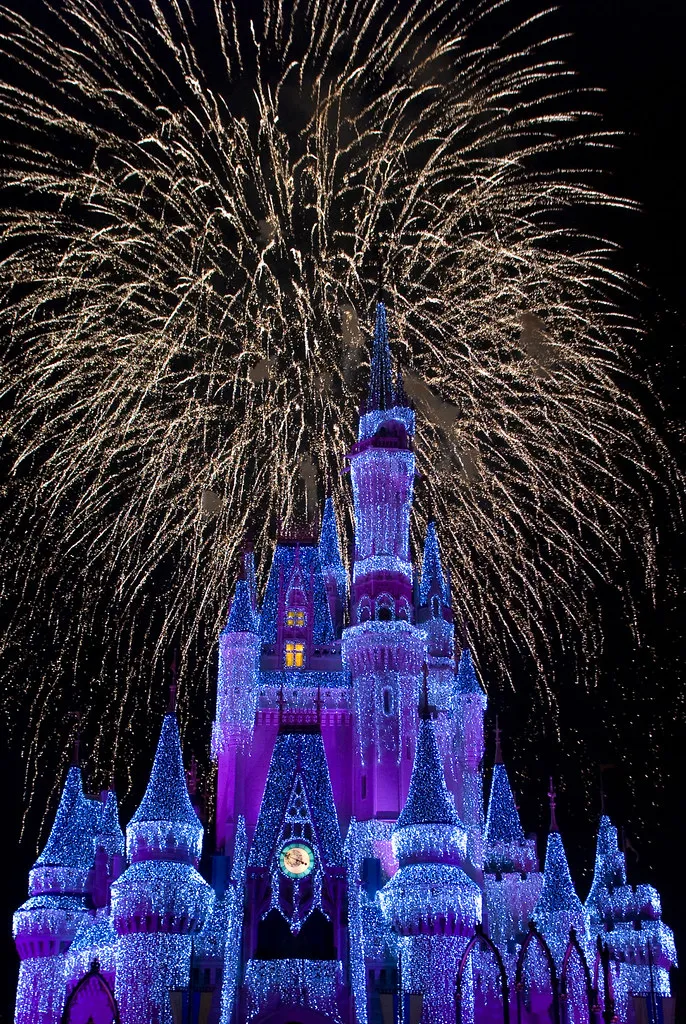
Return by 3 p.m. for the Festival of Fantasy parade. Find a Main Street or Hub viewing spot 30 minutes early — the parade draws large crowds and good positioning matters. Dinner at Be Our Guest Restaurant (prix fixe dinner estimated at $62–75 per adult in 2026 — book at the 60-day mark; prices subject to change) or Liberty Tree Tavern fills the 5–7 p.m. window. Happily Ever After fireworks launch around 9 p.m. and run approximately 18 minutes from the hub in front of Cinderella Castle. This is the single best Disney World nighttime experience across the whole week — do not miss it.
Honest take on Be Our Guest dinner: the food is average for the price and the prix fixe format limits flexibility. The theming inside the Beast’s enchanted castle is genuinely spectacular on a first visit. Once is worth it — on Day 6 when you return to Magic Kingdom, skip the reservation and spend that money at a better restaurant.
Day 2: Hollywood Studios — Star Wars, Scares, and Fantasmic!
Hollywood Studios packs more Lightning Lane Single Pass rides per acre than any other Disney World park. Star Wars: Rise of the Resistance LLSP must be purchased at 7 a.m. — it sells out before the park opens most summer days. The rest of the day builds around Slinky Dog Dash via LLMP, Tower of Terror in the afternoon, and Fantasmic! as the nighttime anchor at approximately 8:30 p.m.
At 7 a.m. sharp, open My Disney Experience and buy Rise of the Resistance LLSP (estimated $15–25 per person in June 2026, subject to change). Simultaneously book Slinky Dog Dash as your first LLMP return time — this compact coaster in Toy Story Land generates 60–90-minute standby waits by 9:30 a.m. During early entry starting at 8:30 a.m., head directly to Mickey and Minnie’s Runaway Railway for the first standby ride of the day while waits are under 20 minutes.
Rise of the Resistance is the most technically ambitious ride at Walt Disney World. The 15-minute experience covers more ground than most full-priced theme park attractions at other resorts. When your LLSP return window opens, clear your schedule and commit to the full boarding sequence without rushing.
Millennium Falcon: Smugglers Run (38” height requirement) has no LLSP designation, making standby the only option. Early afternoon typically sees its most manageable waits. The interactive pilot experience rewards the wait — kids who get pilot seats rather than engineer or gunner positions will not let you forget it.
Tower of Terror (40” height requirement) and Rock ‘n’ Roller Coaster (54” height requirement) are both better when riders are not heat-depleted and dragging. Both deliver in the afternoon with refreshed legs. Tower of Terror has reliable LLMP availability; book it as a mid-afternoon return window.
Fantasmic! runs approximately 30 minutes and requires arriving 45 minutes early for a reasonable seat. The Hollywood Hills Amphitheater fills quickly on summer evenings. Sci-Fi Dine-In Theater is the dinner call if you booked it at the 60-day window — the drive-in theming with classic B-movie clips is genuinely fun, and the enclosed, air-conditioned environment is a welcome relief after a full day.
Day 3: EPCOT — Ride Future World, Eat the World Showcase
EPCOT in 2026 runs on two distinct rhythms. World Discovery and World Nature attractions — Guardians of the Galaxy: Cosmic Rewind, Soarin’ Around the World, Mission: SPACE — are morning priorities, with waits building sharply after 10 a.m. World Showcase, spanning 11 international pavilions, activates in the afternoon and evening when performers, food, and atmosphere reach full capacity. Schedule accordingly.
Guardians of the Galaxy: Cosmic Rewind is EPCOT’s Lightning Lane Single Pass ride — an indoor reverse-launch coaster with no height requirement that consistently earns the highest guest satisfaction scores at the park. Buy the LLSP at 7 a.m.; return times are often assigned for late morning or early afternoon. LLMP should stack Soarin’ Around the World as the first return time of the day, followed by Frozen Ever After in the Norway Pavilion (opens at 11 a.m. with World Showcase).
Remy’s Ratatouille Adventure in the France Pavilion is charming for families with young children and worth an LLMP booking if availability allows. Mission: SPACE’s Orange Mission (the intense centrifuge version) causes genuine motion sickness in a significant percentage of adult riders — first-time families with limited LLMP slots can skip it without regret. The Green Mission’s mild experience is largely unremarkable by comparison.
World Showcase opens at 11 a.m. and rewards slow exploration. A counter-service wander through several countries — a crepe at Les Halles in France, karaage at Katsura Grill in Japan, school bread at Kringla Bakeri in Norway — is one of the great low-cost, high-experience Disney World moves. A family of four can eat very well across multiple countries for less than a single table-service check.
Dinner in World Showcase deserves a real reservation. Via Napoli Ristorante e Pizzeria in the Italy Pavilion serves Neapolitan-style pizza from wood-burning ovens and is excellent by any standard, not just theme park standards. Le Cellier Steakhouse in the Canada Pavilion books weeks in advance and serves legitimately good Canadian cheddar soup and steaks — book at the 60-day mark.
Luminous the Symphony of Us, launched in December 2023, is EPCOT’s nighttime lagoon spectacular using drones, fireworks, and water screens around World Showcase Lagoon. It runs in the 9 p.m. range on most operating evenings. Viewing positions along the lagoon promenade fill 30–45 minutes before showtime on summer nights — the Canada and United Kingdom pavilion side offers consistently uncrowded sightlines.
Day 4: The Rest Day — Typhoon Lagoon, Disney Springs, or Both
Day 4 is not a compromise — it is the structural reason Days 5, 6, and 7 feel good instead of desperate. After three consecutive park days averaging 8–12 miles of walking in heat that regularly pushes a 100°F heat index, a full day away from theme parks lets legs recover, moods reset, and excitement return. The two best options are Typhoon Lagoon and Disney Springs, which can be combined if energy allows.
Typhoon Lagoon is Disney’s water park on the east side of property. Adult day tickets run approximately $80–99 per person in 2026 (subject to change) — a meaningful additional cost, but water parks are actively enjoyable rather than merely restorative. The wave pool is one of the largest in North America, Crush ‘n’ Gusher is a genuine water coaster, and the lazy river provides the kind of do-nothing floating that is genuinely therapeutic after three park days. Arrive at opening and ride the main slide complex before 11 a.m. when summer crowds peak. Note that one Disney water park is typically in seasonal refurbishment — confirm which is operating before your trip.
Disney Springs is the free alternative — no park ticket required, no Lightning Lane to plan, no rope drop alarm. The outdoor shopping and dining complex runs across every price range. Morimoto Asia handles the upscale end; The BOATHOUSE covers seafood on the waterfront; Wine Bar George offers a genuinely adult respite for parents who want to sit somewhere quiet for an hour. Reservations at Disney Springs restaurants are often available within one to two days of your visit, unlike the most competitive park dining.
Most families are more tired at this point than they expected. Three days of Orlando summer heat and 10-hour park days accumulate. Take the rest day as seriously as any park day — sleep past 7 a.m., eat at a pace that is not determined by LLMP return windows, and spend time doing whatever the least-vocal member of your family actually needs. The week’s second half repays this investment directly.
Day 5: Animal Kingdom — Pandora, Wildlife, and an Early Close
Animal Kingdom operates on a different schedule from every other Disney World park — it often closes by 7–8 p.m. in summer, earlier than any other park. Kilimanjaro Safaris delivers the best wildlife viewing before 9:30 a.m. when animals are most active in the cooler morning air. Buy Avatar: Flight of Passage LLSP at 7 a.m. and arrive at the gates by 7:40 a.m. for 8 a.m. early entry. Both headliners are done before 9:30 a.m., and the rest of the day has space to breathe.
Avatar: Flight of Passage (44” height requirement) is the highest-value Lightning Lane Single Pass purchase at all of Walt Disney World. Standby waits frequently hit 90–120 minutes by 9:15 a.m. and rarely drop below 60 minutes for the rest of the day. At approximately $15–25 per person per ride (subject to change), this LLSP purchase clears 60–120 minutes of standby for an experience that genuinely rivals top attractions anywhere in the world. A family of four spending $80 on Flight of Passage LLSP is getting a bargain by Disney World standards.
Kilimanjaro Safaris covers 110 acres in an 18–20-minute open-vehicle ride through an African savanna habitat. Animals — giraffes, elephants, lions, rhinos, and dozens of others — are most visible in the early morning before the Florida heat becomes a factor. This ride needs no Lightning Lane if you reach it in the first 20 minutes of park open; standby waits at 8 a.m. typically run 10–25 minutes.
Festival of the Lion King is a 30-minute live Broadway-style show in a dedicated indoor theater in Africa. No reservation is required — arrive 20 minutes before the posted showtime for comfortable seating. The show runs multiple times daily and is one of the best live entertainment experiences at any Disney theme park. Do not skip it to fit in another lap on Expedition Everest.
Expedition Everest (44” height requirement) is Animal Kingdom’s main roller coaster and earns LLMP attention in the afternoon window. Flame Tree Barbecue near Discovery Island serves smoked meats at $16–20 per plate — one of the best quick-service meals on Disney property. Tree of Life Awakenings is a free projection show at dusk that turns the park’s iconic 145-foot tree into a canvas for animated wildlife scenes. Confirm the park’s closing time in advance and plan accordingly.
Dining pick: Tiffins is Animal Kingdom’s signature table-service restaurant and a genuine culinary highlight of the week — not just by theme park standards. Satu’li Canteen in Pandora is the strong counter-service alternative, with grain and protein bowls consistently rated among the best quick-service meals at Disney World.
Day 6: Back to Your Favorite Park
Day 6 is the day that rewards all the planning that came before it. You have a week’s worth of park experience — you know which LLSP to buy at 7 a.m., which LLMP targets to prioritize, and exactly where to stand for the evening show. Magic Kingdom is the right return call for most families because it has the most re-rideable attractions and the best nighttime spectacular on property.
The practical case for returning to Magic Kingdom: Happily Ever After is an 18-minute experience that is categorically different when you are not exhausted from Day 1 travel. The rides you rushed through or skipped — Pirates of the Caribbean, the Tomorrowland Transit Authority PeopleMover, the Many Adventures of Winnie the Pooh, the afternoon parade from a different viewing position — are all available without Lightning Lane anxiety because the headliners are already checked off.
Families who fell hardest for Hollywood Studios should consider returning there instead. Rise of the Resistance is worth riding twice, and a second run through Galaxy’s Edge with more time for Oga’s Cantina and the merchandise experiences in Black Spire Outpost rewards the slower pace. The park is smaller than Magic Kingdom and covers faster — a Day 6 Hollywood Studios morning can accomplish everything missed the first time by noon.
Park hopping is available after 2 p.m. for guests with Park Hopper tickets. Day 6 is an excellent opportunity to use a hop — spend the morning at your chosen park, then catch EPCOT’s World Showcase pavilions at their best in the late afternoon and early evening, and stay for Luminous if you want a second look at the lagoon spectacular. Verify current park hopping rules through Disney’s official site before your trip, as policies are subject to change.
Day 7: The Departure Day Approach
Departure day at Disney World works best as a character breakfast followed by either a half-day park visit or a resort pool hour, depending on your flight time. ‘Ohana at Disney’s Polynesian Village Resort serves a character breakfast featuring Lilo, Stitch, Mickey, and Pluto — book it at the 60-day mark. The experience closes the trip emotionally without requiring a full park day from legs that have already walked 70+ miles this week.
‘Ohana breakfast runs the standard character dining format: family-style food served to the table while characters visit for photos and autographs. The Polynesian Village Resort is a monorail stop, making it accessible from any monorail-line resort without a bus transfer. For families staying off the monorail loop, factor in 20–30 minutes of transit time to avoid rushing.
Flights departing after 3 p.m. allow a genuine half-day at EPCOT or Animal Kingdom — both offer meaningful experiences without requiring a full-day commitment. Luggage can be stored at Bell Services at most Disney resorts after checkout, so visiting a park without hauling bags is straightforward. For early flights, Disney Springs from 9 to 11 a.m. handles last-minute shopping and a breakfast stop at Amorette’s Patisserie with no park crowds and no alarm pressure. This is a fine way to finish.
Lightning Lane Strategy: What’s Worth Paying For
Lightning Lane Multi Pass costs approximately $24–35 per person per day in June 2026 — prices fluctuate dynamically by date and crowd level. For a family of four using LLMP across all seven days at an average of $28 per person per day, the total LLMP spend reaches approximately $785. Lightning Lane Single Pass covers one marquee ride per park at an estimated $7–25 per person per ride. Both costs belong in the vacation budget from day one. All prices are subject to change.
The LLSP purchases with the clearest return on investment across this plan, in priority order:
- Avatar: Flight of Passage (Animal Kingdom) — Standby waits of 90–120 minutes by 9:15 a.m. make this the highest-value purchase of the week. Non-optional for any family with a 44” rider.
- Star Wars: Rise of the Resistance (Hollywood Studios) — The 15-minute immersive experience is worth $15–25 per person at any standby length; standby consistently runs 60–90 minutes.
- TRON Lightcycle Run (Magic Kingdom) — Waits hit 60–90 minutes within 20 minutes of general opening. Purchase at 7 a.m. returns a specific arrival window that makes this manageable.
- Guardians of the Galaxy: Cosmic Rewind (EPCOT) — The only indoor, air-conditioned roller coaster on the list, adding real value on peak heat days. No height requirement makes it accessible to the full family.
LLMP is most effective when purchased at exactly 7 a.m. with the first return time stacked immediately. Each park has a clear LLMP priority order: Magic Kingdom (Tiana’s Bayou Adventure, Haunted Mansion, Peter Pan’s Flight); Hollywood Studios (Slinky Dog Dash, Mickey and Minnie’s Runaway Railway, Tower of Terror); EPCOT (Soarin’ Around the World, Remy’s Ratatouille Adventure, Frozen Ever After); Animal Kingdom (Kilimanjaro Safaris, Expedition Everest, Na’vi River Journey).
Where LLMP delivers less value: EPCOT on non-festival days with lighter crowds often has tolerable standby waits across most attractions. Animal Kingdom’s smaller footprint combined with effective Early Entry use for Flight of Passage can make LLMP optional there for flexible families. Skip LLMP at Animal Kingdom and redirect that $112 for a family of four toward a Tiffins reservation instead — better use of the money on that specific day.
Honest Pacing Advice: How to Finish the Week Loving Disney
Orlando averages 88–92°F in June through August with a heat index that regularly hits 100°F or above. Disney World guests average 8–12 miles of walking per park day. Seven consecutive days at that pace without deliberate recovery produces something that feels less like a vacation and more like a stress test. The midday break is the single most important structural decision in this entire itinerary — and the one most families skip.
Free ice water is available at any Disney quick-service location upon request — this saves real money and prevents genuine health risks on peak heat days. Most first-time guests don’t know this and spend $5–6 per bottle throughout the day instead. A reusable insulated water bottle carried from the resort eliminates the recurring decision entirely. Electrolyte packets are worth packing; the combination of heat, humidity, and physical exertion depletes sodium and potassium in ways that plain water doesn’t address.
Heat-related fatigue compounds across days in ways families consistently underestimate. Day 1 weariness feels manageable. Day 3 weariness makes minor irritations feel enormous. Day 5 weariness without Day 4 recovery produces the kind of friction that shows up in honest post-trip accounts. The midday break on every park day — not just some of them — is the structural decision that separates families who finish Day 7 saying “I can’t wait to come back” from families who say “never again.”
Florida afternoon thunderstorms arrive roughly 60% of summer days between 2 and 5 p.m. Lightning holds close outdoor attractions for 20–30 minutes on average. Families inside the resort during the storm window miss nothing they couldn’t have been waiting in the rain for anyway. The timing works out in their favor every time.
Plan B: What to Do When Weather or Closures Derail Your Day
Florida summer weather, attraction maintenance holds, and unexpected closures are real at Disney World in June 2026. A plan B that exists before the disruption happens is genuinely useful; one invented mid-disruption with tired children in tow is much less so. Know the indoor alternatives at each park, check the refurbishment schedule before you arrive, and understand the LLMP hold policy — these three things turn most disruptions from crises into minor inconveniences.
- Afternoon thunderstorm at Magic Kingdom: Move inside to Haunted Mansion, Pirates of the Caribbean, Space Mountain, or Mickey’s PhilharMagic while the storm passes. Lightning holds on outdoor rides typically clear within 20–30 minutes. LLMP return windows automatically extend when a ride goes down — check the app rather than assuming your window expired.
- Rise of the Resistance down at Hollywood Studios: This ride has mechanical complexity and occasional extended holds. Disney typically offers LLSP refunds or alternative Lightning Lane options when a ride closes mid-day. Check with Guest Relations immediately rather than waiting in front of a closed queue. Use the time for Millennium Falcon standby or Mickey and Minnie’s Runaway Railway while the situation resolves.
- Extreme heat or a heat-sick family member: Every park has First Aid stations with air conditioning, cots, and basic medical supplies. Heat exhaustion symptoms — heavy sweating, weakness, cold or pale skin, weak pulse — require a First Aid stop, not a push to finish the afternoon. The parks are designed for this scenario; use the resource without hesitation.
- Animal Kingdom closes early before you’ve finished: If Flight of Passage, Kilimanjaro Safaris, Festival of the Lion King, and Expedition Everest are done, the day is complete. Kali River Rapids, DINOSAUR, and the walking trails are bonuses, not essentials. Consider park hopping to EPCOT after 2 p.m. to catch World Showcase if the Animal Kingdom day wrapped ahead of schedule.
- Sold-out LLSP at 7 a.m.: Check again at 11 a.m. and 2 p.m. for Flight of Passage, Rise of the Resistance, and Guardians of the Galaxy — cancellations and released inventory regularly create afternoon openings. For TRON at Magic Kingdom, a rope drop standby run in the first 15 minutes of early entry is the proven backup when LLSP sells out the night before.
Disney publishes known refurbishments on its official site, typically 60–90 days in advance. A 5-minute calendar check the evening before each park day through the My Disney Experience app eliminates the specific morning disappointment of arriving at a closed headliner with a planned LLSP window. All schedules, refurbishments, and park hours are subject to change without notice.
Frequently Asked Questions
How many days do you need to see all four Disney World parks?
Four days covers one park per day at a focused, fast pace — but most families wish they had one or two more. Seven days allows one day per park, a full rest day, a return to your favorite, and a lighter departure day without ever feeling rushed. Families with young children or guests who want to experience each park rather than just check it off benefit most from the additional buffer a longer trip provides.
Is Lightning Lane Multi Pass worth it for a 7-day Disney World trip?
Lightning Lane Multi Pass delivers clear value at Magic Kingdom and Hollywood Studios, where standby waits on 4–6 rides regularly exceed 45–60 minutes in June 2026. For a family of four at an average $28 per person per day across seven days, total LLMP spend reaches approximately $785 — a real number that belongs in the trip budget from day one. EPCOT and Animal Kingdom provide slightly lower returns from LLMP on lighter crowd days. All prices subject to change.
What time should you arrive at Disney World parks?
Arrive 30–40 minutes before official park opening every day of the trip. Disney resort guests receive Early Theme Park Entry 30 minutes before the general public, which is the most valuable free benefit of staying on-site. At Animal Kingdom, which opens at 8 a.m., a 7:40 a.m. arrival captures the full early entry window. The first 90 minutes of any park day consistently produce the lowest standby waits of the entire day.
Can you do two parks in one day at Disney World?
Park hopping is available after 2 p.m. for guests with Park Hopper tickets. Two parks in one day is genuinely enjoyable on a 7-day trip where full coverage isn’t required at every stop — a morning at a favorite park followed by an EPCOT World Showcase evening is one of the best cross-park combinations available. Day 6 in this plan is the ideal hop day. Verify current park hopping rules through Disney’s official site before your trip, as policies are subject to change.
What’s the best way to avoid crowds at Disney World?
Arrive at rope drop, take the midday break from 1 to 4 p.m. when crowds and afternoon storms both peak, and return for the evening when families with young children have typically left. Tuesday through Thursday tend to run slightly lighter crowds than Monday or Friday during summer weeks. Lightning Lane Multi Pass purchased at 7 a.m. day-of bypasses standby queues on the highest-demand rides regardless of overall attendance level.
Planning Your Visit: What This Means for Your Trip
Seven days at Walt Disney World in 2026 works when three decisions are locked in before you land in Orlando: park order, dining reservations, and Lightning Lane priorities. Park order in this itinerary is deliberate — Magic Kingdom on Day 1 delivers the emotional arrival the trip deserves, Hollywood Studios and EPCOT carry the momentum with their distinct personalities, the Day 4 rest prevents the sharp decline in family mood that characterizes every week without one, and Animal Kingdom on Day 5 benefits from rested legs. The return to a favorite park on Day 6 is where the expertise you’ve built across the week combines with no agenda pressure — that is usually the day guests enjoy the most.
Dining reservations for the most competitive table-service restaurants — Be Our Guest, Via Napoli, Le Cellier, ‘Ohana, Tiffins — open 60 days before arrival for Disney resort guests and disappear fast. Set a 60-day calendar alert and book those immediately on the morning they open. Lightning Lane Single Pass for TRON, Guardians of the Galaxy: Cosmic Rewind, Rise of the Resistance, and Avatar: Flight of Passage should be pre-planned in the trip budget and purchased at 7 a.m. sharp on the relevant park days — not on the day-of scramble.
Every price figure, timing window, and availability note in this guide reflects conditions as understood in June 2026. Disney adjusts pricing, attraction availability, and entertainment schedules frequently, sometimes with little advance notice. Park ticket prices ($109–$189+ per day), Lightning Lane Multi Pass fees ($24–35 per person per day), Lightning Lane Single Pass prices ($7–25 per ride per person), dining costs, and water park admission are all set dynamically. Verify current figures through Disney’s official website or the My Disney Experience app before any purchase.
Planning a Disney World vacation? Main Street Magic offers completely free vacation planning services — our expert planners handle every detail from tickets to dining reservations at no cost to you. Start planning your magical trip today.
Planning a trip like this? Skip the research — talk to a Main Street Magic advisor (it's free).
Start Planning →More from itineraries
The Perfect 4-Day Walt Disney World Itinerary for First-Time Families in 2026
The complete 4-day Disney World itinerary for first-time families in 2026 — day-by-day schedules, Lightning Lane strategy, dining tips, and Plan B for Florida weather.
A Walt Disney World Itinerary for Toddlers & Preschoolers: Rides, Rest & Realistic Pacing
A realistic 2026 Disney World itinerary for toddlers and preschoolers. Best rides, nap strategy, Rider Switch tips, and free planning help from Main Street Magic.
Inspiring Itinerary: Relaxing Escape at Disney's Caribbean Beach Resort
Dreaming of your perfect Disney getaway? Here's an inspiring example itinerary from one of our recent travelers. See yourself in this magical trip, and let our travel experts craft a similar experience tailored just for you!