
Article
Disney Cruise vs. Disney World: Which Disney Vacation Is Right for Your Family in 2026?
Disney Cruise vs Disney World for 2026 — honest cost breakdowns, pace comparisons, and clear guidance on which vacation fits your family best. Free planning help.
On this page
- How Do the Costs Actually Compare for a Family of Four?
- What Is the Pace and Energy Level Like on Each Vacation?
- How Does Dining Compare Between a Cruise and the Parks?
- What Do Kids of Different Ages Actually Prefer?
- How Do Weather and Seasonality Factor Into the Decision?
- How Much Planning Does Each Vacation Actually Require?
- When Does Doing Both — a Land-and-Sea Trip — Make Sense?
- Frequently Asked Questions
- Planning Your Visit: What This Means for Your Trip
Disney Cruise Line and Walt Disney World both deliver world-class family vacations, but they are fundamentally different experiences. A 7-night cruise for a family of four runs roughly $9,000–$12,600 all-in, while a 7-night Walt Disney World trip costs approximately $7,800–$10,600. The right choice depends on your family’s pace preference, the ages of your kids, your tolerance for planning, and what kind of memories you want to bring home.
With both Disney Cruise Line and Walt Disney World introducing major new offerings in 2025–2026 — including the Disney Treasure and upcoming Disney Destiny joining the fleet — families comparing these two vacations are facing a genuinely exciting but genuinely complicated decision. June 2026 also brings peak crowds and brutal heat to Central Florida, which makes the cruise option more appealing than ever for families who want Disney magic without a 94-degree afternoon meltdown. Understanding the real numbers and real trade-offs before you book saves you both money and regret.
How Do the Costs Actually Compare for a Family of Four?
A 7-night Disney Cruise (Bahamas, oceanview stateroom) costs a family of four approximately $9,000–$12,600 all-in, while a 7-night Walt Disney World trip at a moderate resort runs roughly $7,800–$10,600. Walt Disney World is typically less expensive, but the gap narrows when you factor in Lightning Lane passes, dining, and extras at the parks.
The honest version of the budget comparison requires going line by line, because the sticker price on either vacation tells only part of the story.
For a Disney Cruise, your baseline cruise fare of $7,200–$9,500 covers your stateroom, all main dining, most entertainment, and kids club access. Gratuities run approximately $14.50 per person per day, adding roughly $400 for a family of four on a 7-night sailing. Shore excursions are where budgets can stretch significantly — expect to spend $800–$1,500 depending on ports and activities. Specialty dining and onboard extras like spa services or premium experiences add another $400–$700.
Walt Disney World breaks down differently. A moderate resort for seven nights runs $2,100–$2,800. Seven-day park tickets for a family of four land at $3,200–$4,400 depending on dates and park tiers. Lightning Lane Multi Pass — the skip-the-line system that has become nearly essential — costs $25–$35 per person per day, adding $700–$1,000 to your total. Food alone at Walt Disney World can easily reach $1,200–$1,800 for a week, with a single table-service dinner for four regularly exceeding $200 before tip. Add $300–$600 for souvenirs, MagicBands, and other extras.
| Expense Category | 7-Night Disney Cruise | 7-Night Walt Disney World |
|---|---|---|
| Base Cost (accommodations/fare) | $7,200–$9,500 | $2,100–$2,800 (resort) + $3,200–$4,400 (tickets) |
| Dining | Included (main dining) + $400–$700 specialty | $1,200–$1,800 out of pocket |
| Access/Upgrades | $800–$1,500 (shore excursions) | $700–$1,000 (Lightning Lane Multi Pass) |
| Gratuities/Extras | ~$400 gratuities | $300–$600 |
| Total Estimated Range | $9,000–$12,600 | $7,800–$10,600 |
The cruise wins on value transparency — you know upfront what most of the trip will cost. Walt Disney World can feel cheaper until the Lightning Lane charges, dining costs, and daily park expenses stack up. Families who budget carefully and cook some meals at a villa resort can close that gap significantly.
What Is the Pace and Energy Level Like on Each Vacation?
Walt Disney World is a high-energy, high-mileage experience — expect 8–12 miles of walking per day across the parks. A Disney Cruise is dramatically more relaxed, with sea days averaging just 2–4 miles of movement. If your family needs to decompress as much as it needs to celebrate, the cruise offers something the parks cannot.
This is the comparison that parents of young children often underestimate until day three of a park trip. Walt Disney World demands stamina. You are up early to rope drop, on your feet all day in the Florida heat, managing meltdowns in line, and then pushing through the evening for the fireworks. For many families, that is exactly the kind of immersive, adrenaline-fueled adventure they want. For others — especially those with toddlers, elderly grandparents, or kids who need predictable routines — it becomes a marathon they did not train for.
A Disney Cruise sets its own pace. Sea days allow families to sleep in, explore the ship at leisure, and actually sit down together for meals. Port days can be as active as you want — a strenuous ATV excursion in Nassau or a quiet beach afternoon in Castaway Cay are both options on the same itinerary. The ship returns to a familiar, comfortable environment every evening regardless of how the day went.
The physical comparison matters practically: 8–12 miles of daily walking at Walt Disney World means proper footwear, frequent hydration breaks, and realistic expectations about how far a 4-year-old can walk before needing to be carried. On sea days aboard the cruise, that number drops to 2–4 miles even with a full day of activities.
How Does Dining Compare Between a Cruise and the Parks?
Disney Cruise Line’s rotational dining system — where your family moves between themed restaurants each night with the same serving team — is widely regarded as one of the best dining experiences Disney offers. Walt Disney World has more restaurant variety and more elevated concepts, but dining requires aggressive advance planning and significant additional spending.
Rotational dining on the cruise is genuinely special. Your servers know your kids’ names and food preferences by night two. The restaurants themselves — like Animator’s Palate, Tiana’s Place aboard the Wish, or Palo for adults on a date night — are theatrical experiences in their own right. Almost all main dining is included in your cruise fare, which means the financial surprise factor is low.
Walt Disney World dining is a different proposition. The variety is extraordinary — from the prix-fixe character meals at Cinderella’s Royal Table to the immersive theming of Oga’s Cantina in Galaxy’s Edge — but getting into the best restaurants requires planning months in advance. Dining reservations open 60 days before your arrival date, and the most sought-after tables fill within hours of that window opening. Miss that window and you are eating counter service most of the trip.
The cost difference is stark. Dining is mostly included aboard a Disney Cruise. At Walt Disney World, a family of four at a single table-service dinner can easily spend $200 or more before tip, and that is for one meal. Families doing the math on a week of park dining often find the cruise’s all-inclusive approach surprisingly competitive on a total-cost basis.
| Dining Factor | Disney Cruise Line | Walt Disney World |
|---|---|---|
| Main dining included? | Yes — rotational dining every night | No — all meals paid separately |
| Advance planning required | Low (specialty restaurants book early) | High — 60-day booking window, fills within hours |
| Character dining | Available onboard (Goofy's Beach Club, etc.) | Multiple options across parks and resorts |
| Variety | Good — 3–5 restaurants per ship | Exceptional — dozens of themed restaurants |
| Cost surprise factor | Low | High — easy to overspend |
What Do Kids of Different Ages Actually Prefer?
Ages 3–10 often thrive equally on both vacations, but the cruise pulls ahead for toddlers and teens. Kids under 3 need a paid nursery on the cruise (~$9/hour). Tweens and teens consistently rate the cruise’s age-specific clubs — Edge for ages 11–14 and Vibe for ages 14–17 — as a genuine highlight rather than an afterthought.
For children ages 3 through about 10, Walt Disney World is hard to beat on sheer wonder. Meeting Mickey, riding Seven Dwarfs Mine Train, watching the Festival of Fantasy parade — these are the moments that create lifelong Disney memories. The density of character interactions and attractions designed specifically for this age group is unmatched anywhere on earth.
The cruise, however, solves problems that Walt Disney World cannot. The Oceaneer Club (ages 3–12) is a supervised kids club that genuinely excites children rather than just occupying them — with lab spaces, Marvel experiences, and Star Wars activities that rival anything at the parks. Parents get real time to themselves, which is rare at Walt Disney World unless you are paying for a babysitter.
Teenagers represent the cruise’s clearest advantage. Edge (ages 11–14) and Vibe (ages 14–17) are teen-specific spaces where older kids can socialize independently, play games, and participate in activities designed for their age group. Walt Disney World can feel like it was built for children under 12, and many tweens and teens feel that acutely by day two or three of a park visit.
| Age Group | Best Fit | Why |
|---|---|---|
| Under 3 | Slight edge to cruise | Slower pace; nursery available; no stroller-in-heat marathon |
| Ages 3–10 | Tie — both excellent | WDW has more attractions; cruise has included programming |
| Ages 11–14 | Cruise (Edge club) | Dedicated tween space; independence without full adult supervision |
| Ages 14–17 | Cruise (Vibe) | Teen-only activities; WDW can feel aimed at younger kids |
| Mixed ages (wide spread) | Cruise | Every age group has its own programming; no one gets left out |
Families with infants and toddlers under three face a real consideration: the onboard nursery runs approximately $9 per hour, which adds up during a 7-night sailing. There is no Disney-run childcare equivalent at Walt Disney World resort hotels.
How Do Weather and Seasonality Factor Into the Decision?
Walt Disney World’s best windows are late January through early March and mid-September through mid-November — mild temperatures, manageable crowds, and lower prices. June at Walt Disney World means 94-degree heat, high humidity, daily afternoon thunderstorms, and peak attendance. A Caribbean or Bahamas cruise in June delivers comparable outdoor conditions with beach access and the cool comfort of a ship.
Summer is when most families can travel due to school schedules, and summer is genuinely brutal in Central Florida. June temperatures at Walt Disney World regularly hit 94°F with oppressive humidity, and afternoon thunderstorms shut down outdoor attractions almost daily. Lines are longer in June than nearly any other month of the year.
A summer Disney Cruise to the Bahamas or Caribbean trades the park heat for warm but ocean-breezy port days and the controlled comfort of a climate-controlled ship. Castaway Cay — Disney’s private island — provides a beach experience that is genuinely one of the highlights of any Disney Cruise itinerary.
For families with scheduling flexibility, the picture changes. Late January through early March at Walt Disney World delivers the best combination of value, weather, and crowd levels in the calendar year. Alaska cruise sailings run May through September and offer a completely different but spectacular backdrop for families seeking adventure. Europe sailings also run May through September, and Hawaii and Pacific itineraries depart on select dates from San Diego.
How Much Planning Does Each Vacation Actually Require?
Walt Disney World is one of the most planning-intensive vacations in the world. Lightning Lane Multi Pass selections, dining reservations at the 60-day mark, and park strategies all require advance attention. A Disney Cruise demands far less daily management — your biggest pre-trip tasks are booking shore excursions at the 75- or 90-day mark and reserving specialty restaurants.
Walt Disney World rewards obsessive planners and punishes casual ones. The families who walk away calling it effortless usually spent weeks preparing. They knew which Lightning Lane Individual Attraction Selections to grab at park open, they booked Be Our Guest at exactly the 60-day mark, and they had a rope-drop strategy mapped for each park day. That level of preparation is genuinely fun for some parents and genuinely exhausting for others.
On a Disney Cruise, the big pre-trip task is shore excursions. Concierge guests can book excursions 75 days out; all other guests book at 90 days. Popular excursions — particularly anything at Castaway Cay or high-demand activities in Alaska and Europe — fill quickly. Specialty restaurants like Palo and Remy also book in advance. Once you are onboard, though, the ship runs on a rhythm. Your dining is scheduled, your entertainment is in the daily navigator, and your family simply shows up.
Lightning Lane Multi Pass at Walt Disney World requires active daily management — you select your first pass at park open and refresh throughout the day to stack additional return times. Families who want a vacation where they are not staring at their phone chasing Tiana’s Bayou Adventure slots will find the cruise meaningfully less stressful in real time.
When Does Doing Both — a Land-and-Sea Trip — Make Sense?
A Disney land-and-sea combination — typically 3–4 nights at Walt Disney World followed by a 3–4 night Disney Cruise — makes sense for milestone trips, families with a wide age range, or first-timers who want both experiences without a second vacation. Budget $12,000–$17,000 or more for a family of four, with a roughly 90-minute motorcoach transfer connecting Walt Disney World to Port Canaveral.
Disney packages land-and-sea trips as official vacation bundles through Disney Cruise Line, with motorcoach transportation from Walt Disney World to Port Canaveral included. The logistics are cleaner than they look: check out of your resort, board the coach, and arrive at the cruise terminal ready to embark.
The combination format makes particular sense in three scenarios. First, families with a wide age range — say, a 5-year-old who is desperate for the parks and a 13-year-old who would genuinely enjoy the teen clubs and independent time aboard ship. Second, families celebrating a milestone trip where doing it all once matters more than budget optimization. Third, first-time Disney visitors who want to experience both sides of Disney’s vacation portfolio before committing to one for future trips.
The honest caveat: $12,000–$17,000 or more for a family of four is a significant investment, and some families find that combining the two means neither experience gets the full attention it deserves. A 3-night park stay is rushed if you want to cover all four parks, and a 3-night cruise is a tease if you fall in love with the ship. Going deep on one vacation rather than shallow on two is often the better call for families with tighter budgets.
Frequently Asked Questions
is a disney cruise worth it compared to disney world?
A Disney Cruise is worth it for families who value included dining, a relaxed pace, and strong programming for all ages — especially teens. Walt Disney World delivers more attraction variety per dollar but costs can exceed projections once Lightning Lane and dining expenses add up. For families who have already done multiple park trips, the cruise often feels like a revelation.
which is cheaper — disney cruise or disney world?
Walt Disney World is generally less expensive at $7,800–$10,600 for a family of four versus $9,000–$12,600 for a 7-night Disney Cruise. The cruise includes most dining in its fare, which narrows the gap considerably once you price out a full week of Walt Disney World meals and Lightning Lane passes.
what age is best for a disney cruise?
Ages 3–12 benefit most from the Oceaneer Club, a supervised kids program included in the cruise fare with themed spaces and Disney character programming. Teens 11–17 have Edge and Vibe — dedicated spaces that make the cruise surprisingly compelling for older kids. Under age 3, a paid nursery is available at approximately $9 per hour.
what is the best time of year for disney world vs a disney cruise?
Walt Disney World is best late January through early March and mid-September through mid-November — comfortable temperatures, lighter crowds, and better pricing. June brings 94-degree heat, high humidity, and peak attendance. Disney Cruise sailings to the Caribbean and Bahamas run year-round, with Alaska and Europe itineraries available May through September.
which disney cruise ships are new in 2026?
The 2026 Disney Cruise Line fleet includes the Disney Wish and Disney Treasure — both featuring the AquaMouse onboard water attraction — along with the anticipated Disney Destiny. The older Disney Dream and Disney Fantasy feature AquaDuck. The Wish and Treasure are the newest and most premium ships, offering the latest dining concepts and ship technology.
can you do both a disney cruise and disney world on one trip?
Yes — Disney’s land-and-sea packages combine 3–4 nights at a Walt Disney World resort with a 3–4 night cruise, connected by a roughly 90-minute motorcoach transfer to Port Canaveral. Budget $12,000–$17,000 or more for a family of four. The combination works best for milestone trips or families with kids spanning a wide age range who want both experiences.
Planning Your Visit: What This Means for Your Trip
The right Disney vacation is not the most expensive one or the most popular one — it is the one that matches your family’s actual travel style. Use this four-step framework to land on your answer before you spend a dollar:
- Assess your family’s pace preference. If your kids are 4–10 with boundless energy for rides and character meets, Walt Disney World is hard to match. Toddlers, teens, or adults who need genuine downtime built into the trip tip the balance toward the cruise.
- Compare your travel window against conditions. Traveling in June or July? The cruise becomes significantly more attractive relative to a hot, crowded Walt Disney World. Traveling in late January or October? Walt Disney World is at its absolute best and the value comparison tightens considerably.
- Be honest about your planning appetite. Walt Disney World rewards weeks of advance preparation. If the thought of competing for dining reservations 60 days out feels like a second job, the cruise’s simpler model is a genuine quality-of-life improvement.
- Run the real numbers for your family. Plug in your specific family size, park ticket dates, resort tier, and dining style. The final totals often surprise families who assumed one option was clearly cheaper than the other.
Both vacations are genuinely excellent. The families who are happiest with their choice are the ones who matched the vacation to their family — not the one their neighbor recommended or the one that looked best on social media.
Planning a Disney vacation? Main Street Magic offers completely free vacation planning services — our expert planners handle every detail from tickets to dining reservations at no cost to you. Start planning your magical trip today.
Filed under
Planning a trip like this? Skip the research — talk to a Main Street Magic advisor (it's free).
Start Planning →More from disney-cruise-line
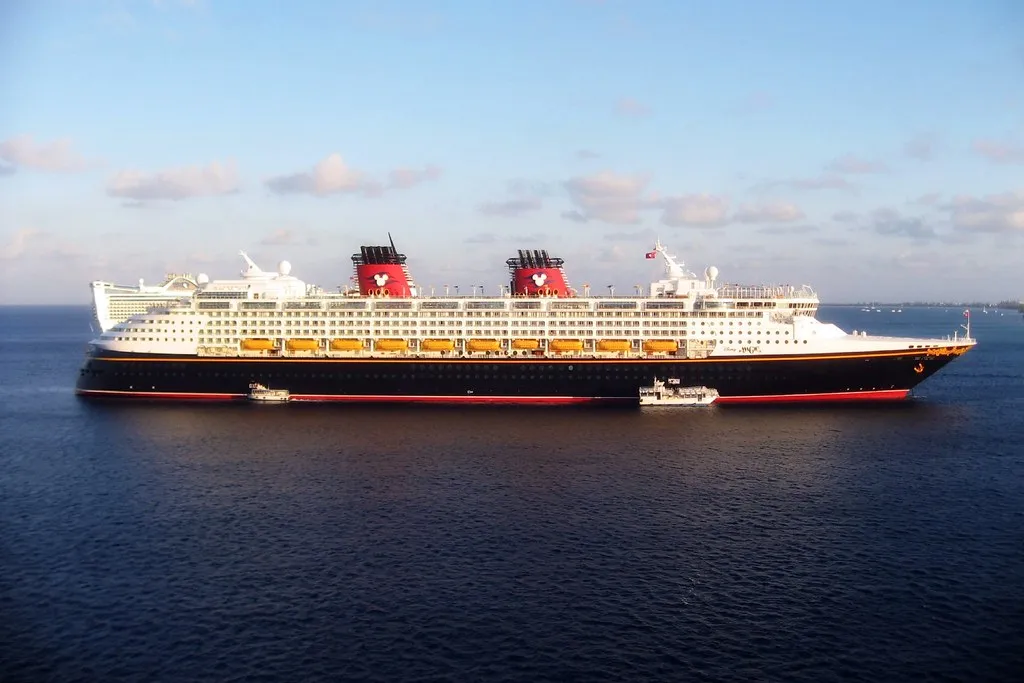
Disney Cruise Packing List 2026: What to Bring (and What's Banned)
The Disney Cruise Line packing list that actually matters: magnetic hooks, the surge-protector rule, Castaway Cay gear, theme nights, and what to skip.
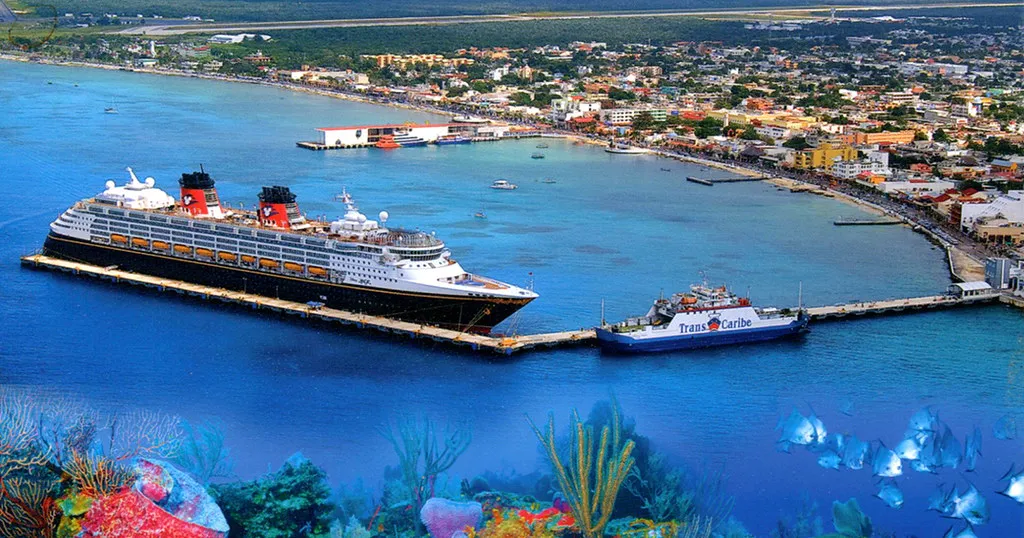
Disney Cruise Dining Explained: Rotational Dining, Specialty Restaurants & Island Meals
Complete 2026 guide to Disney Cruise dining — rotational restaurants, Palo vs. Remy surcharges, island BBQ, and dietary tips from Disney planning experts.
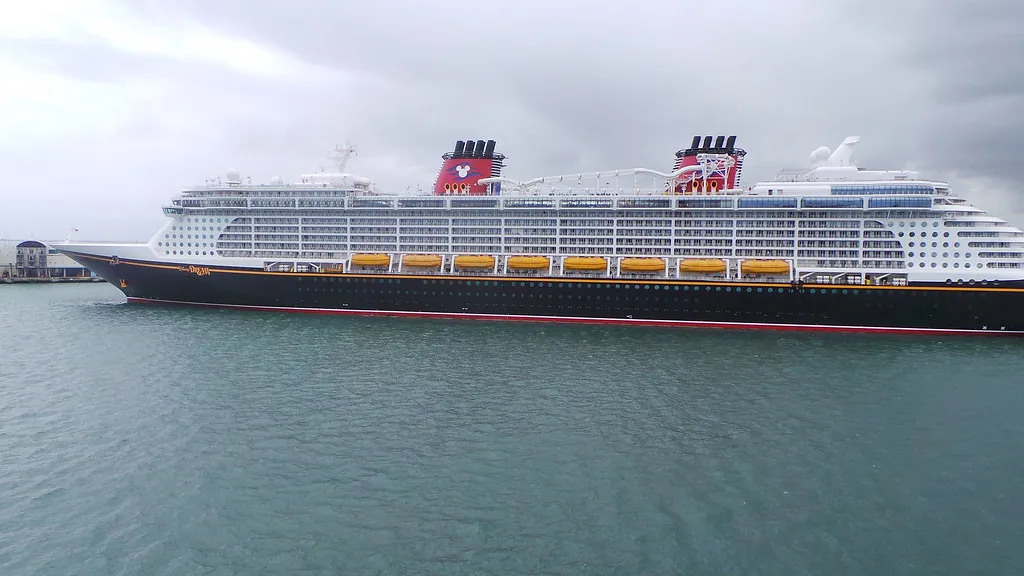
Disney Cruise Line First-Timer's Guide: Everything to Know Before You Sail in 2026
Everything first-time Disney cruisers need to know in 2026: fleet overview, costs, dining, staterooms, private islands, and honest advice on who DCL is right for.