
Article
Disney Cruise Line First-Timer's Guide: Everything to Know Before You Sail in 2026
Everything first-time Disney cruisers need to know in 2026: fleet overview, costs, dining, staterooms, private islands, and honest advice on who DCL is right for.
On this page
- How Is Disney Cruise Line Different From Other Cruise Lines?
- The Disney Fleet in 2026: Which Ship Should You Sail?
- How Long Should Your First Disney Cruise Be?
- Stateroom Categories: What to Book and What to Skip
- What’s Included vs. What Costs Extra
- How Does Rotational Dining Work — and Why Does It Matter?
- Kids’ Clubs, Adult Spaces, and the Family Balance
- Castaway Cay and Lighthouse Point: DCL’s Private Island Destinations
- What Does a Disney Cruise Actually Cost? A Realistic 2026 Budget
- Is Disney Cruise Line Right for You?
- Frequently Asked Questions
- Planning Your Disney Cruise: What to Do Next
Disney Cruise Line operates 7 ships in 2026 and costs 30–50% more than comparable mainstream cruise lines. What you get for that premium: a crew-to-guest ratio of roughly 1:2.5, rotational dining where the same serving team follows you through three different restaurants, dedicated kids’ clubs by age group, and two private island destinations in the Bahamas.
The fleet has expanded significantly in recent years. Disney Destiny joined in 2025, and Lighthouse Point on Eleuthera island opened in 2024 as DCL’s second private destination. With seven ships now sailing and more itineraries than ever, first-time DCL guests in 2026 face more choices — and more planning decisions — than at any previous point in the line’s history.
How Is Disney Cruise Line Different From Other Cruise Lines?
Disney Cruise Line differentiates itself through staff attentiveness, age-segmented kids’ programming, rotational dining, and pervasive brand storytelling across every ship. The trade-off is a higher per-person cost and an atmosphere that is unmistakably built around Disney IP — which is either the point or the problem, depending on your family.
The most tangible operational difference is the crew-to-guest ratio. DCL runs at roughly 1 crew member per 2.5 guests, compared to the mainstream industry standard closer to 1:3.5. That gap shows up in service response times, dining attentiveness, and the general feeling that staff are not stretched thin.
Character experiences are woven throughout the sailing rather than concentrated at a single meet-and-greet location. Characters appear at meals, on the pool deck, and at evening events — making unplanned encounters common in a way that doesn’t happen at theme parks.
DCL also maintains a strong adults-first design philosophy despite its family reputation. Every ship has adult-exclusive pool areas, adult-only restaurants, a dedicated spa, and a nightlife district. Families with young children and adults-only groups both sail DCL, and the ships are designed to keep those experiences from colliding.
One experience unique to DCL is Pirates Night — a deck party culminating in fireworks launched from the ship while at sea. It is one of the only fireworks shows fired on the open ocean anywhere in cruising, and it has become a signature event that guests plan around.
The Disney Fleet in 2026: Which Ship Should You Sail?
Disney’s seven-ship fleet in 2026 spans three generations of ships with meaningfully different sizes, onboard attractions, and itinerary availability. The right ship depends on your priorities: the older ships offer more intimate sailings while the newer ships carry more amenity variety at larger scale.
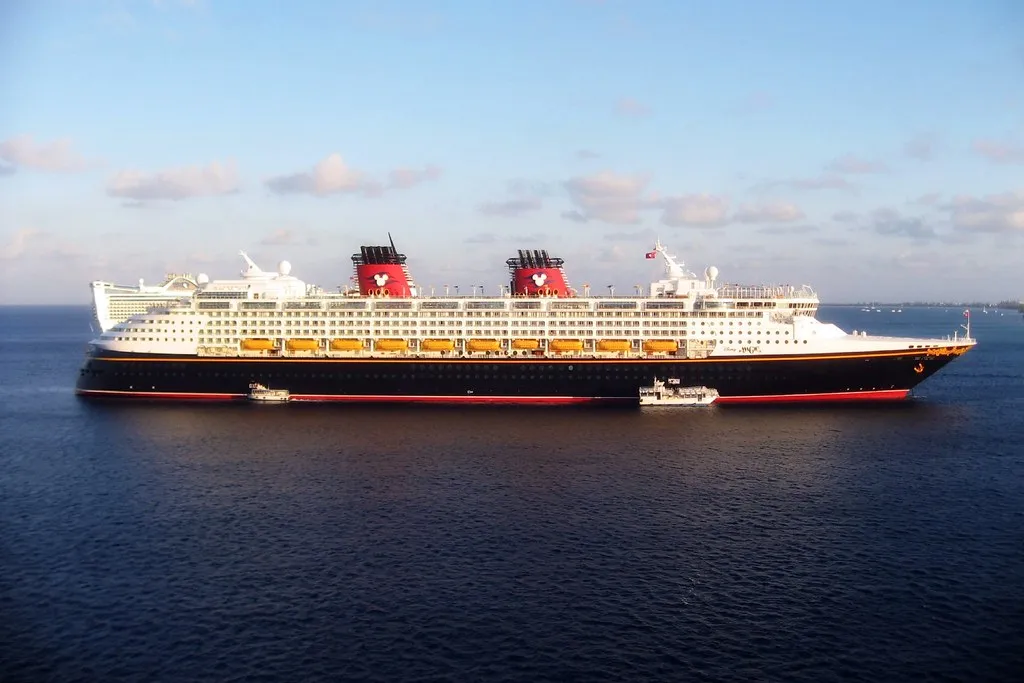
The two original ships — Magic (1998) and Wonder (1999) — each carry roughly 2,400 guests. They sail longer itineraries including Alaska, the Mediterranean, and Northern Europe. If you want a smaller-ship experience or a non-Caribbean itinerary, these are the ships to consider.
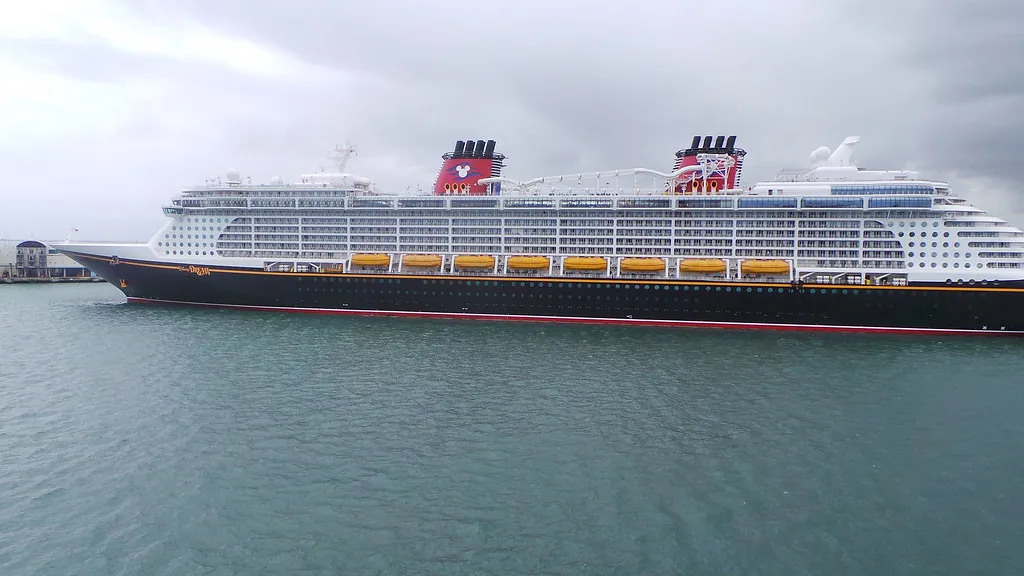
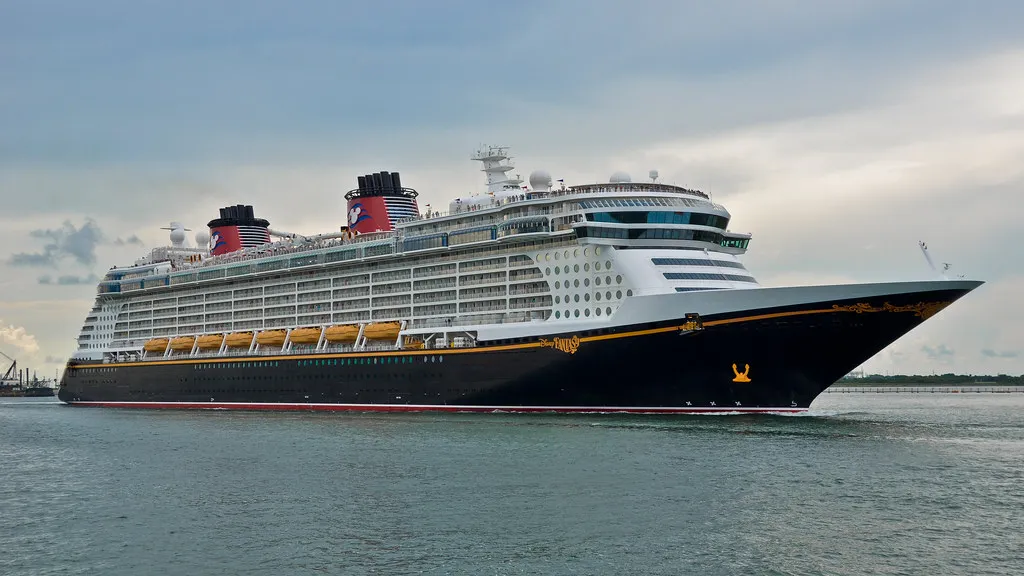
Dream, Fantasy, Wish, Treasure, and Destiny all carry approximately 4,000 guests and represent the larger, amenity-rich end of the fleet. The key feature difference on the newer trio — Wish, Treasure, and Destiny — is the AquaMouse water attraction, which requires timed reservations. The older large ships have AquaDuck instead, which operates without reservations.
Disney Wish introduced the Arendelle: A Frozen Dining Adventure experience, a theatrical dinner show that requires a separate reservation even within your rotational dining rotation. It books fast and is worth reserving the moment your booking window opens.
| Ship | Year Launched | Guest Capacity | Key Feature | Notable Itineraries |
|---|---|---|---|---|
| Magic | 1998 | ~2,400 | Intimate scale, classic design | Alaska, Mediterranean, Caribbean |
| Wonder | 1999 | ~2,400 | Intimate scale, classic design | Alaska, California, Caribbean |
| Dream | 2011 | ~4,000 | AquaDuck water coaster | Bahamas, Caribbean |
| Fantasy | 2012 | ~4,000 | AquaDuck, 7-night Caribbean | Eastern & Western Caribbean |
| Wish | 2022 | ~4,000 | AquaMouse, Arendelle dining | Bahamas, short Caribbean |
| Treasure | 2024 | ~4,000 | AquaMouse, new entertainment | Caribbean, Bahamas |
| Destiny | 2025 | ~4,000 | AquaMouse, newest ship | Caribbean, Bahamas |
Alaska sailings depart from Vancouver and are among the most popular itineraries DCL offers. Summer dates sell out 12–18 months in advance — plan accordingly if that’s on your list.
How Long Should Your First Disney Cruise Be?
A 4-night sailing is the standard recommendation for first-timers. It’s long enough to experience rotational dining fully, spend a day at a private island, and settle into the ship’s rhythm without committing to the cost of a longer sailing before you know whether DCL suits you.
DCL offers sailings ranging from 3-night weekend cruises to 14-night transatlantic voyages. The 3-night option is the most affordable entry point, but the compressed schedule means one sea day, one port day, and embarkation and debarkation — there’s not much time to experience everything the ship offers.
7-night sailings make sense for families who already know they love Disney cruising, want a Caribbean itinerary with multiple ports, or are sailing on Fantasy’s Eastern or Western Caribbean routes. The longer format allows for a more relaxed pace and more time at sea, which is where most of the ship’s programming lives.
For guests considering Alaska, note that those sailings are almost exclusively 7 nights, depart from Vancouver rather than a Florida port, and involve significantly different logistics. The scenery — glacier passages, wildlife sightings, coastal towns — is genuinely spectacular, but the planning overhead is higher.
- 3 nights: Budget entry point, limited time to experience the ship
- 4 nights: Best first-timer value; complete rotational dining, one private island stop
- 5 nights: Good middle ground; common on Caribbean routes
- 7 nights: Recommended if you’ve already sailed DCL or want a full Caribbean itinerary
- 10–14 nights: Europe, Alaska extensions, transatlantics — for experienced DCL guests
Stateroom Categories: What to Book and What to Skip
Disney staterooms fall into four main categories: Interior, Oceanview, Verandah, and Concierge. Every category shares DCL’s signature split bathroom design — a separate toilet room and a separate shower/bath room — which is genuinely useful for families. The decision of whether to spend up to a verandah comes down to how much of your day you’ll actually spend in the room.
The split bathroom is one of the most practical design choices in family cruising. Two people can prepare for dinner simultaneously without occupying a single bathroom, which matters more than it sounds on a sailing with scheduled dining times.
Deluxe Family Staterooms are the stateroom of choice for families of five. They sleep five guests using a ceiling-mounted pull-down bunk in addition to standard bedding, and they’re available across interior, oceanview, and verandah categories. Book these early — they’re the first to sell out on family-friendly sailings.
Concierge-level staterooms include a private lounge with dedicated hosts, reserved seating at shows, priority boarding, and pre-booked shore excursions. The premium is significant. For most first-time guests, the experience difference doesn’t justify the price jump unless budget is genuinely not a constraint.
| Category | Est. Cost (4-night, family of 4) | Who It's Right For |
|---|---|---|
| Interior | ~$3,900–$5,200 all-in | Budget-conscious families; guests rarely in their room |
| Oceanview | ~$4,500–$6,500 all-in | Families who want natural light without verandah cost |
| Verandah | ~$6,200–$9,000 all-in | Guests who value private outdoor space; couples |
| Concierge | $10,000+ all-in | Guests who want a hotel-concierge level of service |
Interior staterooms on DCL are larger than comparable categories on mainstream lines, and they are not as claustrophobic as some guests expect. For first-timers whose goal is experiencing the ship rather than spending time in the room, interior is a defensible choice.
What’s Included vs. What Costs Extra
DCL’s base fare covers most of what makes the cruise feel premium: all main dining, kids’ club programming, onboard entertainment, pool access, fitness center use, and port calls including Castaway Cay. What it does not cover is alcohol, specialty dining, spa services, shore excursions, and gratuities.
Included in your cruise fare:
- All meals in the three main rotational restaurants
- Buffet and quick-service food venues
- Room service (basic items)
- Oceaneer Club/Lab, Edge, and Vibe programming
- All main stage shows and deck entertainment
- Pool access including AquaDuck or AquaMouse (timed reservations required on newer ships)
- Fitness center
- All port calls including Castaway Cay and Lighthouse Point
- Non-alcoholic beverages with meals
Costs extra:
- Alcohol — beer runs $7–$11, cocktails $12–$16, wine by the glass $10–$18 (DCL does not offer a drink package)
- Palo adult Italian restaurant — approximately $50/person for brunch, $65/person for dinner
- Remy adult French fine dining — approximately $115–$145/person
- Senses Spa treatments
- Shore excursions and Castaway Cay cabana rentals
- Gratuities — $15–$18/person per night, auto-added but adjustable
- Port taxes and fees — $150–$250/person depending on itinerary
- Photos from the onboard photographer
- Arcade and specialty beverages
The absence of a drink package is a meaningful difference from lines like Norwegian or Carnival. Heavy drinkers should budget carefully — alcohol costs add up quickly at DCL’s price points without the option to prepay a flat rate.
How Does Rotational Dining Work — and Why Does It Matter?
Rotational dining means DCL assigns guests to three different themed restaurants across their sailing, with the same serving team rotating with them to each venue. Guests get variety in setting and menu while retaining servers who already know their preferences and names — a combination that’s genuinely unusual in cruise dining.
On a 4-night sailing, you’ll dine at three of the ship’s main restaurants (one venue gets two visits). On a 7-night sailing, you rotate through the full sequence with more meals at each. Your servers, assistant servers, and head server travel with your table through every rotation — by night two, they know that your kid doesn’t like onions and that you take your coffee before dessert.
This is not just a marketing point. The continuity of service is one of the things guests most consistently praise about DCL dining, and it’s structurally impossible on ships where guests choose their own restaurant each night.
Palo and Remy are the adult-only specialty restaurants, and they operate outside the rotation as reservations for an additional per-person charge. Both are worth considering for one evening on a sailing with children — they provide a genuine adults-only dining experience. Palo and Remy reservations open at the same window as stateroom bookings and sell out within hours on popular sailings. Don’t wait.
On Disney Wish, the Arendelle: A Frozen Dining Adventure is a ticketed theatrical dinner show that requires a separate booking even though it counts as one of your rotation restaurants. Guests who miss the reservation window sometimes can’t attend at all, so book it the moment your window opens.
Kids’ Clubs, Adult Spaces, and the Family Balance
DCL divides youth programming into three age-segmented clubs — Oceaneer Club/Lab for ages 3–12, Edge for 11–14, and Vibe for 14–17 — and all three are included in the fare. Adult-only areas include the Quiet Cove pool, Palo, Remy, Senses Spa, and the After Dark nightlife district.
The Oceaneer Club and Oceaneer Lab are the headline kids’ facilities — large, staffed, immersive spaces themed around Disney and Marvel characters where children can participate in activities or stay for hours. Most parents report that their kids ask to go back on their own, which speaks to how well the programming is designed.
Edge targets the tweens who are too old for the younger club but not quite ready for the teen space. It tends to be the least-utilized club simply because the 11–14 age range is notoriously hard to please, but the programming has improved in recent years.
Vibe is the teen-only space, and teens tend to take it over as their own domain by the second day. It has a lounge feel, age-appropriate activities, and events like teen-only dance parties and movie nights.
The adult areas are genuinely separated from family spaces. The Quiet Cove pool is adults-only, with adjacent hot tubs and bar service. The After Dark district — Fathoms, O’Gills Pub, and other venues depending on the ship — operates as a bar and club area in the evenings. None of it is accessible to children without an adult escort.
- Ages 3–12: Oceaneer Club/Lab — themed activities, character interactions, crafts, science experiments
- Ages 11–14: Edge — games, social activities, tween-focused programming
- Ages 14–17: Vibe — teen lounge, parties, independent programming
- Adults: Quiet Cove pool, Palo, Remy, Senses Spa, After Dark district
Castaway Cay and Lighthouse Point: DCL’s Private Island Destinations
DCL owns two private island destinations in the Bahamas: Castaway Cay, the original private island open since 1998, and Lighthouse Point on Eleuthera, which opened in 2024. Both offer DCL-exclusive beach experiences with separate areas for families and adults, and both are included in your base fare.
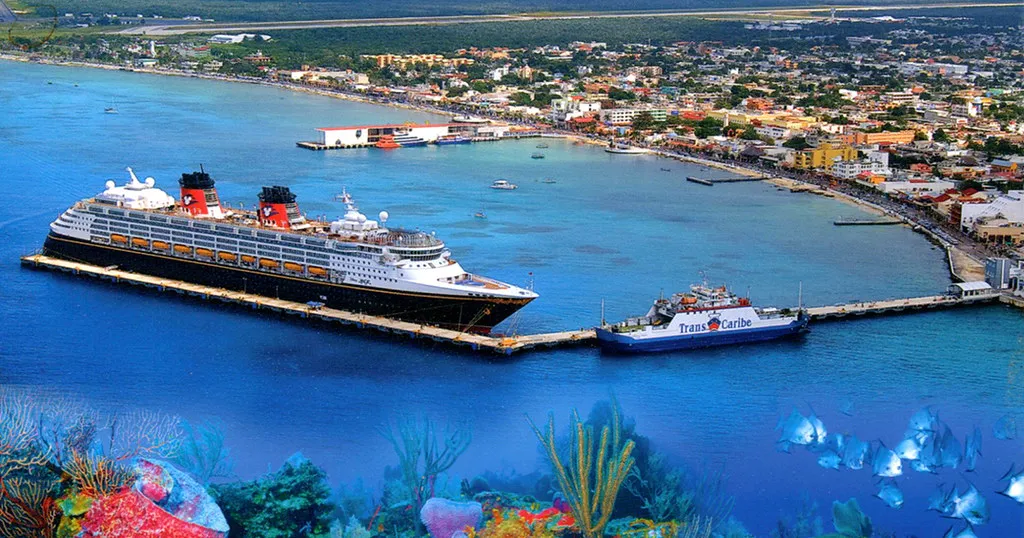
Castaway Cay is widely regarded as one of the best private island stops in cruising. The ship docks directly to the island — no tender boats required — and the beach areas are extensive, well-staffed, and outfitted with complimentary equipment including beach chairs and some non-motorized water sports. Character meet-and-greets happen on the island as well.
Castaway Cay cabanas are the most sought-after upgrade at either destination, running $650–$850 per day for a private beach cabana with dedicated service. They sell out within minutes of the booking window opening, which begins at the 75-day mark before sailing. Set a reminder and have your credit card ready — there is no waiting list and no second chances.
Lighthouse Point on Eleuthera opened in 2024 and takes a different approach than Castaway Cay. Rather than a Disney-themed overlay, Lighthouse Point emphasizes Bahamian culture, local art, and sustainability — more than 90% of the destination’s staff are Bahamian, and the food, music, and décor reflect local identity rather than Disney IP. It’s a more restrained, genuinely beautiful beach experience.
Both destinations have adult-only beach sections separate from family areas. Lighthouse Point’s adult area has received particular praise for its calm atmosphere and food quality. For guests who want the DCL private island experience but prefer something less theme-park-adjacent, Lighthouse Point is the better fit.
What Does a Disney Cruise Actually Cost? A Realistic 2026 Budget
A family of four on a 4-night interior stateroom sailing should budget roughly $3,900–$5,200 all-in at base fare, before onboard spending. The same family in a verandah stateroom runs $6,200–$9,000. Those figures assume standard booking windows and modest onboard spending — peak summer, Alaska, and holiday sailings command premiums above those ranges.
The base fare is only the starting point. Port taxes and fees add $150–$250 per person, and gratuities run $15–$18 per person per night and are automatically added to your account. Those are non-negotiable additions regardless of stateroom category.
Getting to the ship matters too. Port Canaveral — the departure point for most Caribbean and Bahamas sailings — is a 45–60 minute drive from Orlando International Airport. Mears Connect shared shuttle service runs $80–$120 per person each way, or you can rent a car or use a car service for more flexibility.
| Budget Item | Low Estimate | High Estimate | Notes |
|---|---|---|---|
| Base fare (interior, family of 4, 4 nights) | $3,200 | $4,400 | Varies by season and ship |
| Port taxes and fees | $600 | $1,000 | $150–$250/person |
| Gratuities | $240 | $288 | $15–$18/person/night |
| Airport transfer (Mears Connect) | $320 | $480 | $80–$120/person each way, round trip |
| Onboard spending (alcohol, specialty dining, etc.) | $300 | $800+ | Highly variable by family habits |
| Total (interior stateroom) | ~$4,660 | ~$6,968 | Before flights and pre/post hotel |
| Upgrade to verandah | +$2,300 | +$3,800 | Approximate stateroom difference |
Specialty dining adds up if you’re not careful. Palo brunch for two adults runs about $100; Remy dinner for two adults runs $230–$290. Budget those separately if you plan to book them.
Is Disney Cruise Line Right for You?
DCL delivers on its premium price for guests who value Disney’s brand of service and storytelling, want dedicated kids’ programming, or are drawn to the rotational dining model. It’s a worse value for guests who are indifferent to Disney IP, plan to spend heavily on alcohol, or are looking for the most affordable way to cruise the Caribbean.
The honest answer is that DCL is a strongly differentiated product, not a universally superior one. At 30–50% above mainstream pricing, the question is whether the specific things DCL does better matter to your family. For many, they do. For others, that premium could fund a longer sailing on a different line.
DCL is likely the right fit if:
- You have children ages 3–12 who are into Disney, Marvel, or Star Wars
- Your family values structured kids’ programming that keeps children engaged independently
- You appreciate attentive, consistent service as a priority over variety
- You want a private island experience as part of your itinerary
- Adults in your group want to enjoy evenings separately from kids without hiring a sitter
- You want rotational dining rather than choosing restaurants each night
- Alaska or European itineraries are on your radar — DCL’s positioning there is strong
DCL may not be the right fit if:
- Your children are teenagers who aren’t engaged with Disney characters or IP
- Alcohol spending is significant — no drink package is a real cost difference
- Budget is the primary constraint and you need the most affordable Caribbean option
- You prefer the casino, large entertainment venue, and nightlife variety of ships like Royal Caribbean or Norwegian
- Your children are under 3 — programming doesn’t start until age 3, and infant logistics on any cruise are demanding
- You’re sailing adults-only and aren’t particularly attached to Disney; the premium is harder to justify
Frequently Asked Questions
Is Disney Cruise Line worth the extra cost?
For families with children ages 3–12 who are engaged with Disney, the premium typically justifies itself through better service ratios, included kids’ club programming, and the rotational dining experience. Adults who are indifferent to Disney IP and guests focused primarily on alcohol, casinos, or price-per-night will find the value harder to defend. The 30–50% premium over mainstream lines is real, and whether it’s worth it depends on which specific features matter to you.
What is the best Disney cruise for first-timers?
A 4-night sailing on Disney Dream or Fantasy to the Bahamas with a Castaway Cay stop is the standard recommendation for first-timers. It covers the full rotational dining rotation, includes the private island experience, and represents a manageable financial commitment before you know if DCL suits your family. The Dream and Fantasy are large enough to offer full amenities without the added complexity of a newer ship’s reservation-heavy attractions.
Do I need to book dining on a Disney cruise?
Rotational restaurant dining is automatically assigned — no booking required. You do need to book specialty restaurants Palo and Remy separately, and they open at the same window as your stateroom. On Disney Wish, the Arendelle: A Frozen Dining Adventure requires its own reservation even though it’s within your rotation. Castaway Cay cabanas also require advance booking at the 75-day mark and sell out extremely fast.
What age is best for a Disney cruise?
Ages 3–10 are when DCL is typically most impactful. The Oceaneer Club programming starts at 3, character interactions are meaningful at that age range, and the ship’s entertainment skews toward elementary-age engagement. Teens can enjoy the Vibe program, but the DCL experience is less differentiated for them. Toddlers under 3 can sail but aren’t eligible for club drop-off, which limits parents’ flexibility considerably.
Can adults enjoy a Disney cruise without kids?
Adults-only groups sail DCL regularly, particularly on European and Alaska itineraries where the ship composition skews older. The adult infrastructure — Quiet Cove pool, Palo, Remy, Senses Spa, and the After Dark nightlife district — is legitimately good. The honest caveat is that families are the majority on Caribbean and Bahamas sailings, and the ship’s ambient energy reflects that. If adult-centric atmosphere is the priority, a transatlantic or European sailing on Magic or Wonder is a better choice than a short Caribbean run.
How far in advance should I book a Disney cruise?
For peak summer sailings, Alaska itineraries, or holiday weeks, book 12–18 months in advance. Standard Caribbean sailings in the fall or January–March shoulder season can be booked 6–9 months out without losing significant stateroom selection. Castaway Cay cabanas and Palo/Remy reservations have their own booking windows and should be treated as separate planning events — missing those windows has real consequences regardless of how far in advance you booked your sailing.
Planning Your Disney Cruise: What to Do Next
Start with the sailing, not the stateroom. Decide on itinerary first — Bahamas, Caribbean, Alaska, or Europe — then choose the ship that serves that route, then select your sail length and stateroom category. Once you have a booking number, your online account unlocks planning tools including dining reservations, shore excursion booking, and online check-in. Mark your specialty dining booking window on your calendar the day you book your sailing — Palo and Remy fill within hours on any popular ship. The 75-day mark for Castaway Cay cabanas gets its own reminder. If you’re sailing to Alaska on Magic or Wonder, start 12–18 months out and don’t wait on stateroom selection — Deluxe Family rooms and verandahs go first. For transportation, arrange your MCO-to-Port Canaveral transfer in advance; Mears Connect is the most straightforward option but requires a reservation. Travel insurance is worth considering given DCL’s fare structure — the cost of a canceled sailing at full-fare pricing is meaningful. A qualified travel advisor authorized through DCL can handle most of this logistics sequencing at no additional cost to you.
Planning a Disney cruise? Main Street Magic offers completely free vacation planning services — our expert planners handle every detail from choosing your sailing to booking dining reservations and transportation at no cost to you. Start planning your magical trip today.
Filed under
Planning a trip like this? Skip the research — talk to a Main Street Magic advisor (it's free).
Start Planning →More from disney-cruise-line
Disney Cruise Packing List 2026: What to Bring (and What's Banned)
The Disney Cruise Line packing list that actually matters: magnetic hooks, the surge-protector rule, Castaway Cay gear, theme nights, and what to skip.
Disney Cruise Dining Explained: Rotational Dining, Specialty Restaurants & Island Meals
Complete 2026 guide to Disney Cruise dining — rotational restaurants, Palo vs. Remy surcharges, island BBQ, and dietary tips from Disney planning experts.
Disney Cruise vs. Disney World: Which Disney Vacation Is Right for Your Family in 2026?
Disney Cruise vs Disney World for 2026 — honest cost breakdowns, pace comparisons, and clear guidance on which vacation fits your family best. Free planning help.